Every fall it’s the same: the first properly cold night arrives, everyone turns the thermostat up at once, and HVAC companies’ phones light up. Technicians say the cold snap doesn’t create the problem, it exposes it. But a surprising share of those calls end with a tech flipping a switch or replacing a filter. I’ve had those calls from tenants in my rentals, and I’ve learned to walk through a short list on the phone first. Here is that list.
Check, in this order: thermostat on Heat and set 5°F above room temperature; thermostat batteries; the furnace power switch (it looks like a light switch near the unit) and the breaker; the front panel pressed fully closed; a clean filter; the gas valve on; then read the blinking status light. If the burners light and shut off within seconds, the flame sensor is the usual suspect. Smell gas? Leave and call the gas company from outside.
Affiliate note: As an Amazon Associate, The Low Bill Home earns from qualifying purchases. Links to cheap parts are there for convenience; I haven’t tested these specific products.
Symptom troubleshooter
What is your furnace doing?
This tool points you to the likely cause. It can’t see your furnace: anything involving gas, wiring or the control board belongs to a technician.
The 9 checks, in order
Start at the top. The first five take two minutes and need no tools.
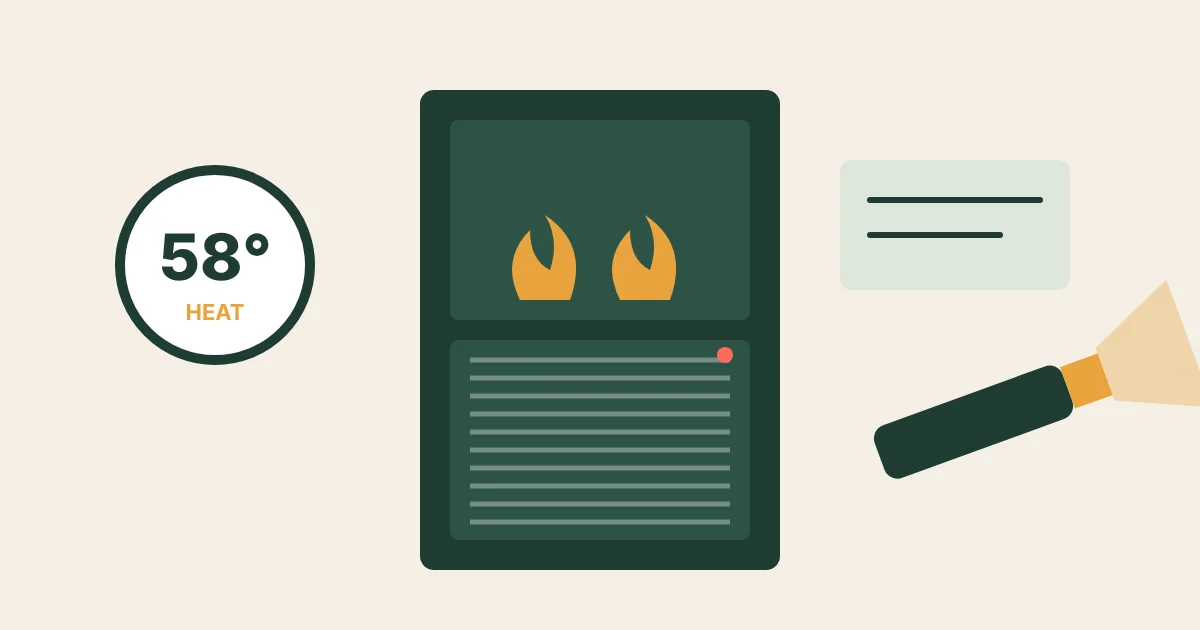
- Thermostat mode and setpoint. It should say Heat, not Cool, Off or Eco, and be set at least 5°F above the room temperature so it really calls for heat. After a summer of cooling, it’s often still on Cool.
- Thermostat batteries. A blank or dim screen, or a low-battery icon, means the thermostat can’t send the call. Many models use AA or AAA cells; lithium AAs last longer in a cold hallway. Smart thermostats can also lose power if the common wire is loose.
- The furnace power switch. Most furnaces have a switch that looks like a light switch on the wall or the unit. It gets turned off by accident, by a summer AC tech, or by someone who thinks it’s a basement light.
- The breaker. Look for a tripped breaker labeled furnace or HVAC, switch it fully off, then on. If it trips again right away, stop there.
- The front panel. The blower door presses a safety switch. If the panel was taken off to change a filter and isn’t fully seated, the furnace won’t run at all.
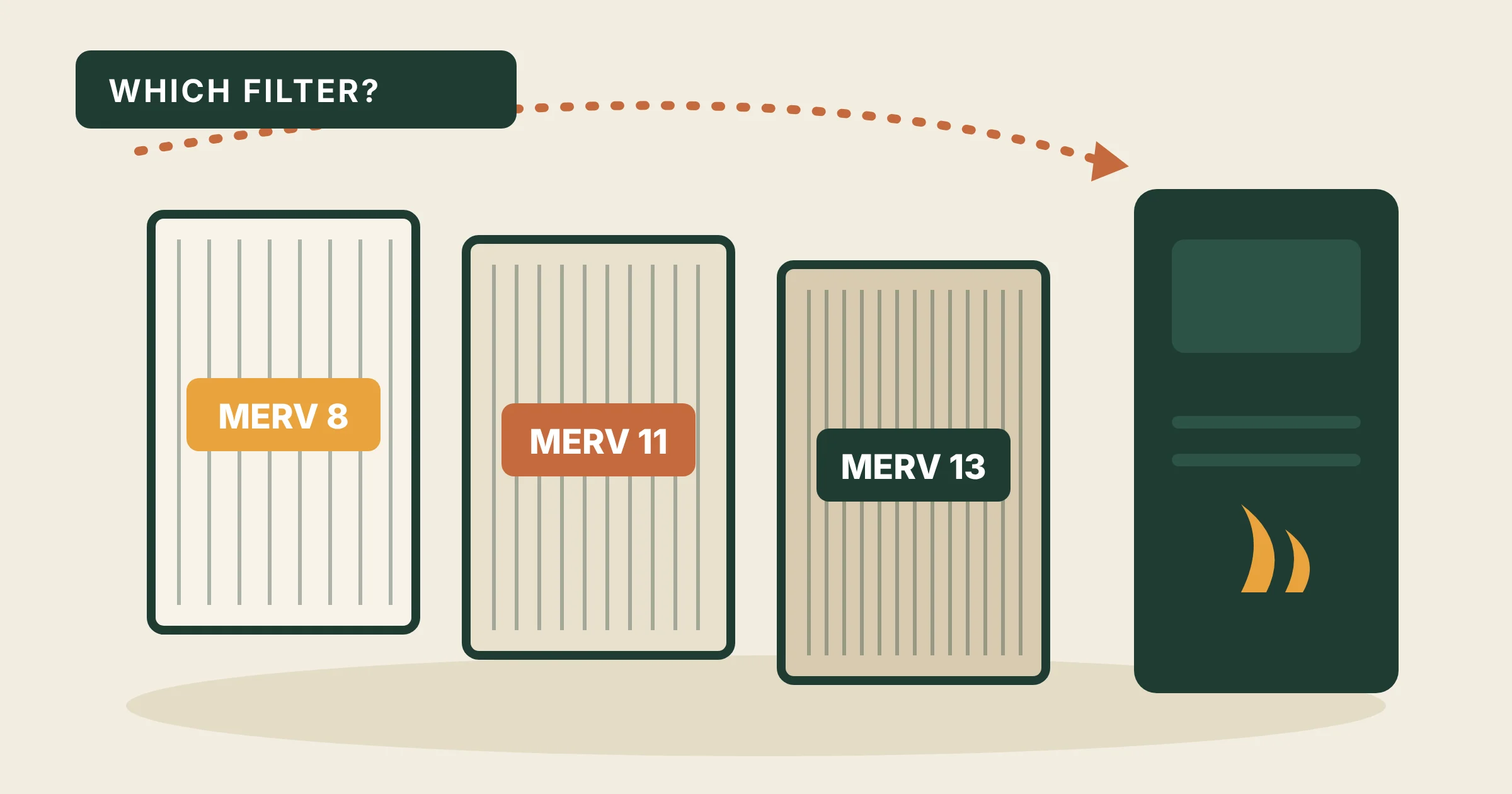
- The filter. A clogged filter makes the heat exchanger overheat, and the high-limit switch shuts the burners off, sometimes until it cools. Hold it up to a light: if you can’t see through it, replace it. Not sure which rating? Our MERV 8 vs 11 vs 13 guide helps.
- The gas valve and supply. The handle on the gas line near the furnace should be parallel to the pipe. If other gas appliances (stove, water heater) also don’t work, call the gas company.
- The status light. Most furnaces made in the last 20 years have a small window with a blinking LED. Count the blinks and compare with the chart on the inside of the panel. It often names the problem: pressure switch, flame sense, limit switch.
- The flame sensor. If the burners light and go out in a few seconds, the thin metal rod in front of the burners is probably coated with residue and can’t prove the flame. Cleaning it gently with fine emery cloth or a fine abrasive pad is a common DIY job, with the power and gas off. If you’re not comfortable opening the burner compartment, this is a short, cheap visit for a technician.
From my rentals: the calls I get on the first cold night are rarely about broken furnaces. A thermostat still on Cool from the summer, dead thermostat batteries, a filter nobody changed since spring: those explain most of them. Walking a tenant through the first five checks on the phone has saved more than one weekend service call.
Infrared thermometers are handy here too: point one at a supply vent and a return to see whether the furnace is actually adding heat. An Etekcity infrared thermometer is a cheap, popular choice; owners use it for HVAC checks and cooking.
Burning smell: normal or not
| Smell | What it usually is | What to do |
|---|---|---|
| Dusty, burnt dust, first 15–30 minutes | A summer’s dust burning off the heat exchanger | Normal. Open a window; it should fade within the hour |
| Rotten eggs or sulfur | Natural gas or propane | Don’t touch switches. Leave, then call the gas utility or 911 from outside |
| Electrical, hot plastic | Overheating motor or wiring | Switch the furnace off at the breaker and call a technician |
| Musty, damp | Mold or moisture in ducts or the filter | Replace the filter; if it persists, have the ducts checked |
Any time a fuel-burning furnace runs, you need a working carbon monoxide alarm on every level of the home, outside sleeping areas. If yours chirps, our sister site explains why smoke and CO alarms chirp and how to stop it.
When to stop and call
- You smell gas, or a CO alarm goes off: leave first, then call.
- The breaker trips again as soon as you reset it.
- The status light shows a code for the inducer motor, pressure switch or ignition that a reset doesn’t clear.
- The furnace locks out again after you cleaned the flame sensor and replaced the filter.
- You see soot, scorch marks or water around the furnace.
While you wait for a technician, keep the house safe and pipes from freezing: close curtains, keep interior doors open and use a space heater only in the room you’re in. Our guide on keeping pipes from freezing and the space heater cost calculator help for a night or two.
Prevent the next one
The cheapest fix is the one you do in October: a new filter, fresh thermostat batteries and a test run of the heat on a mild afternoon, so problems show up when the HVAC company still has openings. A professional tune-up every year or two cleans the flame sensor and burners and checks the parts that fail first. This winter the EIA expects households heating with natural gas and propane to spend a bit less than last year, and those heating with electricity or heating oil to spend more; whatever your fuel, a furnace that runs clean wastes less of it. For the bigger picture, see 20 ways to lower your heating bill.
FAQ
Why won’t my furnace turn on when I turn up the heat?
The most common causes are simple: the thermostat is on Cool or Off, its batteries are dead, the furnace power switch next to the unit was turned off over the summer, a breaker tripped, the front panel isn’t seated so the door safety switch stays open, or a clogged filter made the furnace overheat and lock out.
Is a burning smell normal when I turn on the heat for the first time?
A dusty, burning smell for the first 15 to 30 minutes of the season is normal: dust on the heat exchanger is burning off. A smell of rotten eggs (gas), electrical burning or melting plastic is not. With a gas smell, leave the house and call the gas utility from outside.
Why does my furnace start, then shut off after a few seconds?
On modern gas furnaces this is classic flame-sensor trouble: the burners light, the control board can’t confirm the flame, and it shuts the gas off for safety. After a few tries it locks out. A dirty flame sensor is one of the most common first-cold-night failures.
How do I reset my furnace?
Turn the thermostat down, switch off the furnace with the service switch or breaker, wait a minute or two and switch it back on. Many control boards clear a lockout this way. If it locks out again, don’t keep resetting it: the cause is still there.
How much does a furnace service call cost?
It varies by region and season; emergency and weekend calls cost more than a scheduled visit. That’s why it pays to rule out the free checks first, and to book a tune-up before the first real cold snap rather than during it.
Sources
- U.S. Department of Energy: Furnaces and boilers (maintenance)
- ENERGY STAR: Maintenance checklist for heating and cooling
- U.S. CPSC: Carbon monoxide safety
- Filterbuy: Extreme cold watch, how to protect your home (filters and furnace shutdowns)
- EIA: Winter Fuels Outlook 2026–27

Email me at hello@thelowbillhome.com. I read every message, and when a rate, a rule or a product changes, I update the guide. — Eugene
Affiliate Disclosure: The Low Bill Home is a participant in the Amazon Services LLC Associates Program. As an Amazon Associate we earn from qualifying purchases, at no extra cost to you. Product details and availability change, so check the listing before you buy.