A cold bedroom is the most common winter complaint, and the most common fix is the worst one: a space heater running all night. It costs the most to run, and fire safety officials say not to sleep with one on. The cheaper, safer approach is to stop the cold getting into the room, then warm the bed instead of the air. Here are twelve ways to do it, in order of cost.
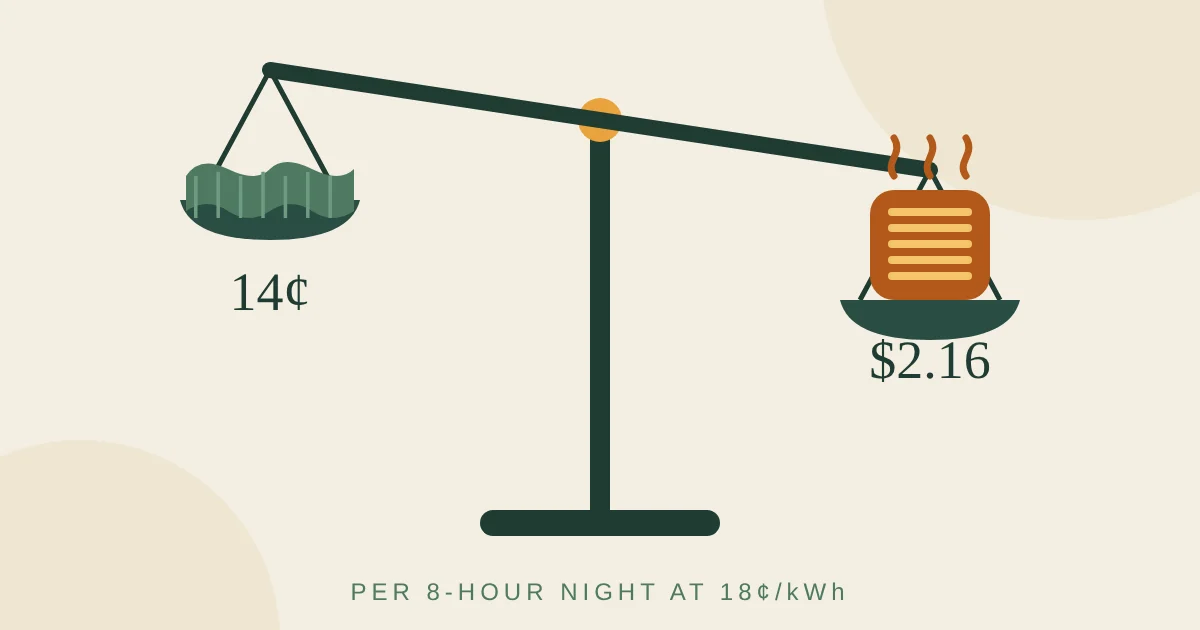
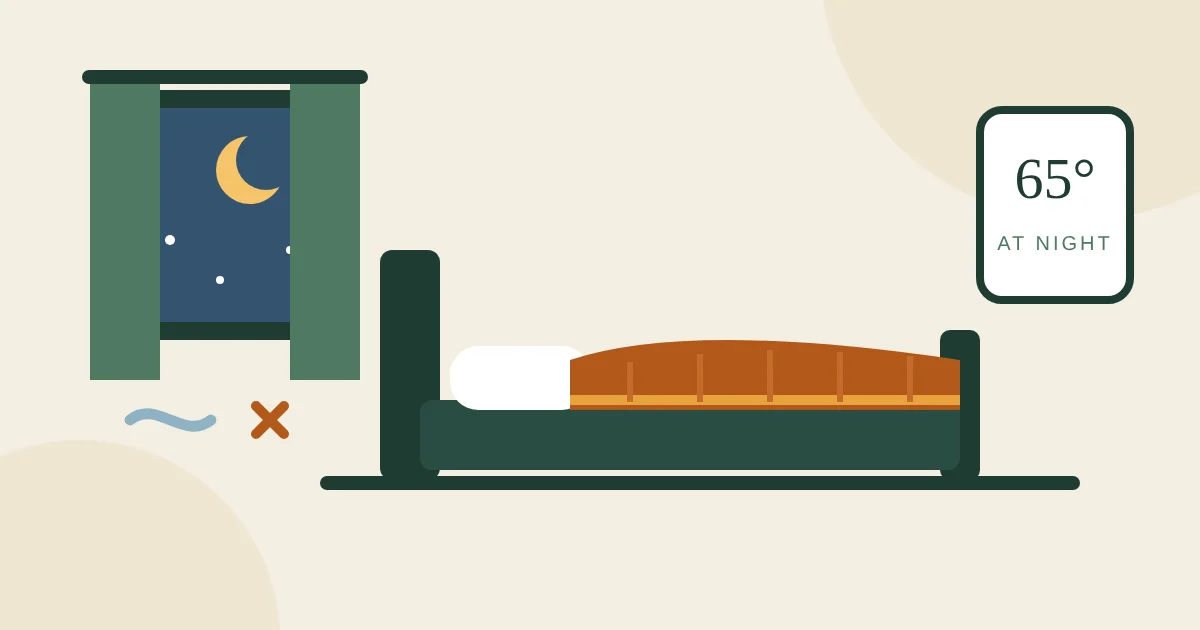
Close thermal curtains at dusk, block the gap under the door, and keep the room around 65°F, the temperature the Sleep Foundation suggests for sleep. Then warm the bed: flannel sheets, a heated mattress pad preheated before bed, and a hot water bottle if your feet run cold. A heated pad costs about 22¢ for a full night at the U.S. average rate; a 1,500-watt space heater about $2.16.
Affiliate note: As an Amazon Associate, The Low Bill Home earns from qualifying purchases. Buying through our links costs you nothing extra. We have not tested every product hands-on: picks are based on the makers' published specs, official energy-saving guidance and long-term buyer feedback, and we say where a product falls short.
Warms you from below, preheats the bed and has dual controls on queen and larger.
Check price on AmazonWhy we picked it ↓100% cotton, double-brushed flannel that feels warm the moment you get in.
Check price on AmazonWhy we picked it ↓Classic natural rubber bottle made to the British safety standard.
Check price on AmazonWhy we picked it ↓Shopping on Black Friday? Add it to your Amazon cart now so it is ready when the deals start (Black Friday is November 27, Cyber Monday November 30, 2026).
What each option costs per night
At 18¢ per kWh, close to the 2026 U.S. average residential rate, for an 8-hour night at full power:
| Option | Power | Cost per night | Per month (30 nights) |
|---|---|---|---|
| Space heater, high | 1,500 W | $2.16 | $64.80 |
| Space heater, low | 750 W | $1.08 | $32.40 |
| Heated mattress pad, queen, both sides, all night | about 150 W | about 22¢ | about $6.48 |
| Heated pad preheated 1 hour, then off | about 150 W | about 3¢ | about 81¢ |
| Hot water bottle (1 liter heated in a kettle) | — | about 2¢ | about 60¢ |
| Flannel sheets, curtains, door stopper | — | 0 | 0 |
Hot water bottle estimate: heating one liter of water from tap temperature to hot (not boiling, about 175°F) takes roughly 0.1 kWh in an electric kettle. Use our heated blanket vs space heater calculator with your own rate.
Find where the cold comes from
Stand in the room on a cold, windy evening with the lights off and the door closed. Hold the back of your hand near the window edges, the bottom of the door and any outlets on outside walls. A draft you can feel is a fix you can make tonight.
Free fixes (1–4)
1. Close the curtains at dusk, open them in the sun
The Department of Energy’s Building America Solution Center recommends closing window coverings at night and on cloudy days and opening them when the sun is on the window. It costs nothing and it is the habit that makes curtains work.
2. Move the bed away from the window and outside walls
Glass and outside walls are the coldest surfaces in the room, and you feel them even without a draft. A few inches away from an outside wall, and out from under the window, makes the bed noticeably warmer.
3. Clear the vent or radiator
A bed, dresser or long curtain over the heating vent or radiator traps the heat where it does no good. Pull furniture a few inches away and keep curtains above the radiator.
4. Turn the thermostat back, not up
It sounds backwards, but a warm bed in a cooler room is the goal. The Department of Energy says turning the thermostat back 7–10°F for 8 hours a day can save up to 10% a year on heating, and about 65°F is comfortable for sleeping once the bed itself is warm.
Cheap fixes for the room (5–7)
Thermal curtains on a wrap-around rod
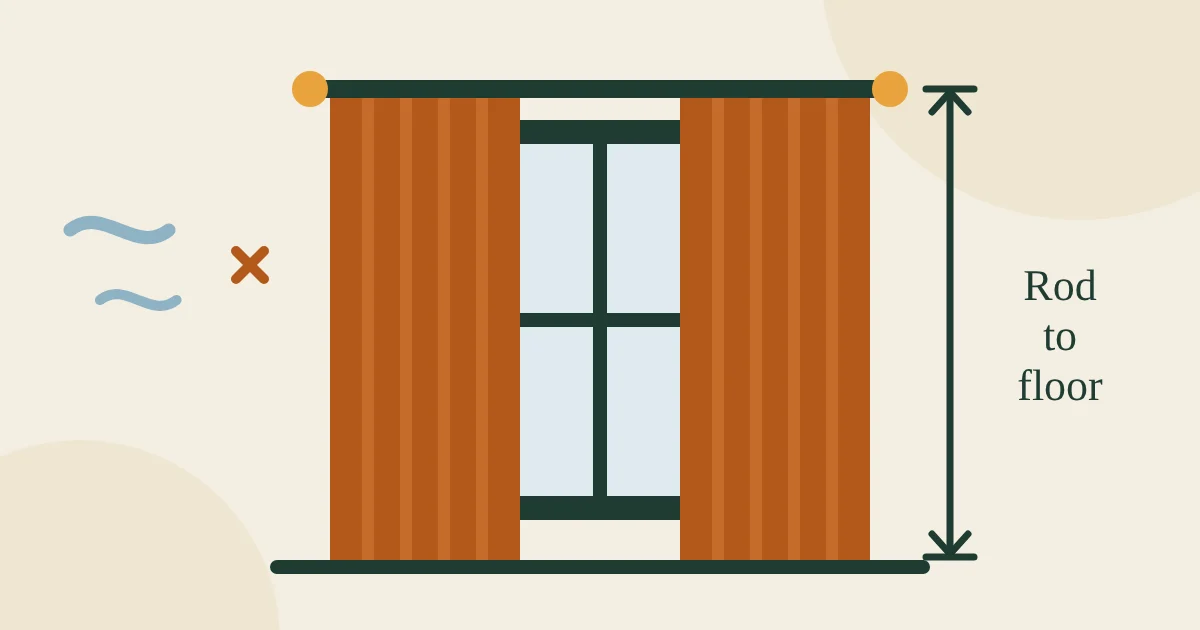
Heavy, dense curtains closed at dusk stop warm room air circulating against the cold glass all night. The NICETOWN thermal insulated curtains are the popular pick, in dozens of sizes. Hang them higher and wider than the frame, ideally on a wrap-around rod, and let them reach the sill or floor; our guide to the best thermal curtains shows how.
- Triple-weave blackout fabric
- Many widths and lengths
- Also darkens the room for better sleep
Good: works every night with no running cost, also blocks light.
Watch out: only works when closed and when it fits the window well.
Skip it if: the window is sealed with film and covered by blinds you already like.
6. Seal the windows you never open
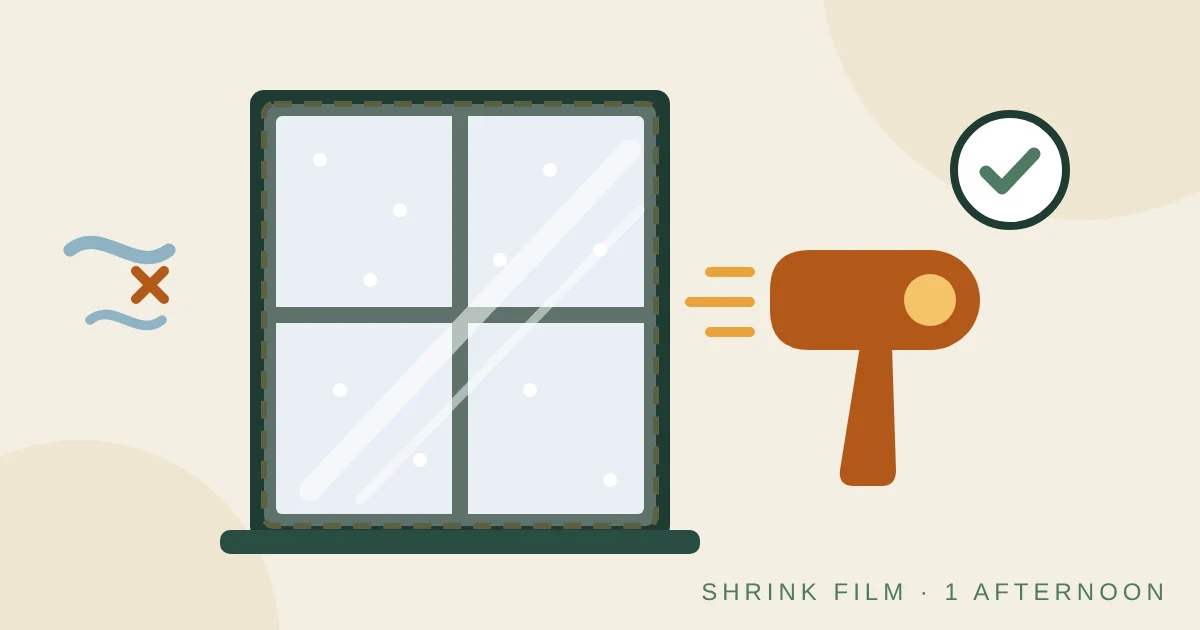
A shrink film kit on a drafty bedroom window stops the cold air sliding around the sash. Keep at least one bedroom window that opens, for fresh air and as an emergency exit. Our comparison of the best window insulation kits covers which kit fits which window.
Everlasting Comfort Under Door Draft Stopper
Bedroom doors are usually cut short to let air move, and a cold hallway pours in under them. A slide-on foam blocker made for 30 to 36-inch doors closes the gap without adhesive or screws, and it also cuts hallway noise and light. Our full door draft stopper comparison has options for every kind of door.
- For 30–36″ doors
- Dense foam, slides under the door
- Renter friendly, no adhesive
- Also blocks noise, light and odors
Good: quick, no damage, makes the room quieter and darker too.
Watch out: adds a little drag when you open the door.
Skip it if: your bedroom relies on air moving under the door from a central return; ask an HVAC technician first.
Warm the bed, not the room (8–11)
Beautyrest Cotton Blend Heated Mattress Pad
A heated mattress pad fits over the mattress like a fitted sheet and warms you from below, where the heat stays trapped under the covers. This Beautyrest pad has a cotton-blend top, five heat settings, a one-hour preheat and an automatic shut-off after ten hours, and queen and larger sizes have a controller for each side. The cheapest way to use it: preheat for an hour, then turn it down or off when you get in. Choose your size on the listing.
- 5 heat settings; 1-hour preheat; 10-hour auto shut-off
- Dual controllers on queen and larger
- Fits mattresses up to 18″ deep
- Cotton-blend top
Good: the warmest bed for the least electricity, separate sides for couples.
Watch out: never cover the controller while on; follow the maker’s and fire officials’ safety guidance below.
Skip it if: anyone using the bed cannot feel heat well or operate the control.
Bare Home Flannel Sheet Set
Smooth cotton or sateen sheets feel cold for the first few minutes; brushed flannel traps air and feels warm the moment you get in. Bare Home’s set is 100% cotton, double brushed and heavyweight, with deep 15-inch pockets on the fitted sheet, and it is OEKO-TEX Standard 100 certified. The queen set includes a fitted sheet, a flat sheet and two pillowcases.
- 100% cotton, double-brushed flannel
- Fitted sheet with 15″ deep pockets
- Queen: fitted, flat and 2 pillowcases
- OEKO-TEX Standard 100; machine washable
Good: instant warmth, no electricity, breathable cotton.
Watch out: flannel pills over time, and it is too warm for summer.
Skip it if: you sleep hot: add a blanket layer you can kick off instead.
Bedsure GentleSoft Sherpa Fleece Blanket
Layers beat one thick comforter: you can add or remove one through the night. This non-heated blanket has flannel fleece on one side and soft sherpa on the other, and it is one of the most popular throws on Amazon. Put it between the top sheet and the comforter, or across the foot of the bed where most people get cold first.
- Non-heated, no wires
- Flannel fleece one side, sherpa the other
- Several sizes, from throw to king
- Machine washable
Good: warm, light, no electricity, easy to move between bed and couch.
Watch out: polyester is less breathable than wool or cotton.
Skip it if: you already have a heavy duvet and still sleep warm.
HomeTop Classic Rubber Hot Water Bottle
The oldest bed warmer still works: a natural rubber bottle filled with hot water and pushed to the foot of the bed half an hour before you get in. HomeTop says its bottle is made to BS 1970:2012, the British safety standard for hot water bottles. Use a cover: health services advise one, and a version with a fleece cover is sold too.
Safety: following NHS burns-unit advice, never fill it with boiling water, fill it no more than two thirds, always use a cover, and replace it every two years or sooner if it looks worn.
- Natural rubber, ribbed surface
- Made to BS 1970:2012 (per the maker)
- Use with a cover
- No electricity
Good: almost free to use, silent, perfect for cold feet.
Watch out: cools over a few hours; needs care with hot water.
Skip it if: children or anyone who cannot feel heat well would use it unsupervised.
If you still need heat (12)
12. Warm the room before bed, then turn the heater off
If the room is too cold to undress in, a space heater with a thermostat can take the chill off for half an hour before bed. Then turn it off. The Consumer Product Safety Commission advises not leaving a space heater on while you sleep, keeping it at least three feet from bedding and curtains and plugging it straight into the wall, never an extension cord or power strip. Portable heaters are involved in about 1,700 fires a year (CPSC). Our guide to what a space heater costs to run has a calculator, and our sister site compared the best space heaters.
Heated bedding safety: the Maine State Fire Marshal’s electric blanket guidance says to use only certified products, never fold them or pile blankets on top while on, keep cords out from under rugs, turn them off and unplug them when not in use, and for people with diabetes or reduced feeling, warm the bed first and turn it off before getting in.
FAQ
How can I keep my bedroom warm at night without a heater?
Stop the cold coming in and warm the bed instead of the room: close thermal curtains at dusk, block the gap under the door, put film on windows you never open, then use flannel sheets, layered blankets and a heated mattress pad or hot water bottle. That combination keeps you warm in a cooler room for a fraction of the cost of a space heater.
What temperature should a bedroom be for sleeping?
The Sleep Foundation puts the best bedroom temperature for sleep at about 65 degrees Fahrenheit. A cooler bedroom is easier to live with when the bed itself is warm, and turning the thermostat back at night also saves on heating.
Is it safe to sleep with a space heater on?
The Consumer Product Safety Commission advises against leaving a space heater on while you sleep. If you use one to take the chill off before bed, keep it at least three feet from bedding and curtains, plug it straight into the wall and turn it off when you get into bed.
Is a hot water bottle safe to use in bed?
Used carefully, yes. Health services advise not using boiling water, filling it no more than two thirds, always using a cover and replacing the bottle every two years or if it shows any sign of wear.
Why is my bedroom colder than the rest of the house?
Usually because it has more outside wall and window area, sits over a garage or at the end of the duct run, or has a draft under the door. Check the windows and door gap first, make sure furniture is not blocking the heating vent or radiator, and close curtains at dusk.
Do flannel sheets really make a difference?
Yes. Brushed cotton flannel traps more air than smooth percale or sateen, so it feels warm the moment you get in instead of cold. In a room kept cooler at night, that first impression matters.
Keep going
- Heated blanket vs space heater: which is cheaper to run
- Best thermal curtains and how to hang them
- Best window insulation kits
- Our sister site’s review of the best heated blankets
Sources
- Sleep Foundation: Best temperature for sleep
- U.S. Department of Energy: Six simple steps to save energy and money this winter
- U.S. DOE Building America Solution Center (PNNL): Window attachments
- U.S. CPSC: Winter safety tips
- U.S. CPSC: Caution when using space heaters
- Maine State Fire Marshal: Electric blanket safety
- NHS Wales (Swansea Bay): Hot water bottle safety
- U.S. EIA: Short-Term Energy Outlook, electricity
Affiliate Disclosure: The Low Bill Home is a participant in the Amazon Services LLC Associates Program. As an Amazon Associate we earn from qualifying purchases, at no extra cost to you. Product details and availability change, so check the listing before you buy.