If you are sitting on the couch or lying in bed, a heated blanket and a space heater both keep you warm. One of them costs about fifteen times more to run. Here is the math at your own electricity rate, how much power heated blankets really use, and how to turn the difference into a lower heating bill, not just a smaller line on the electric bill.
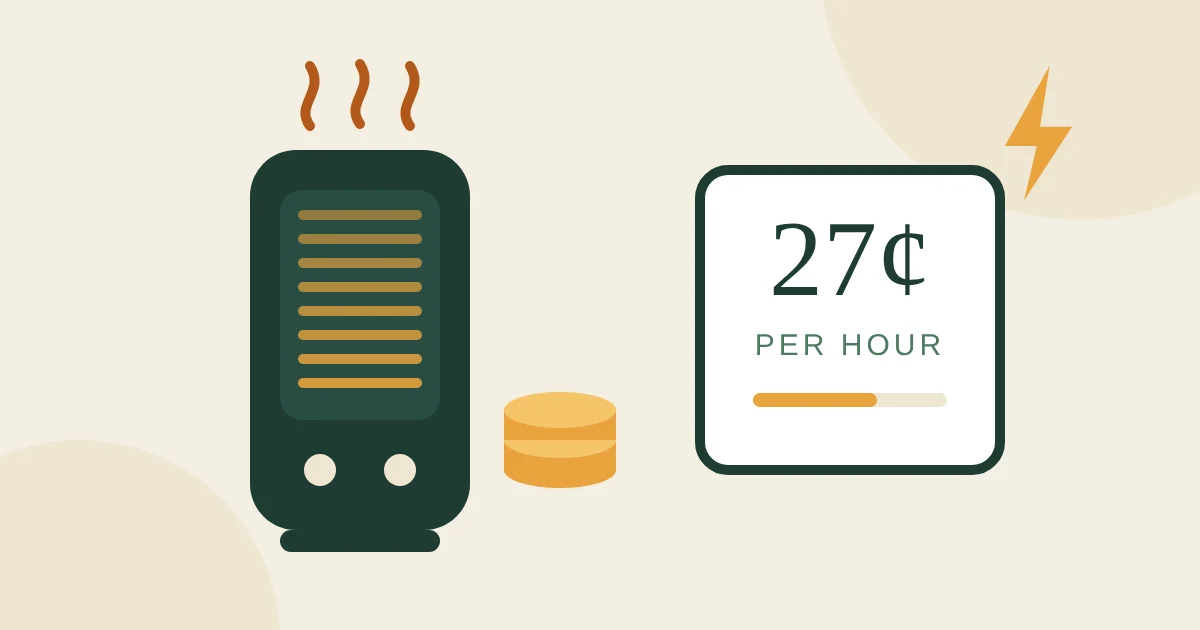
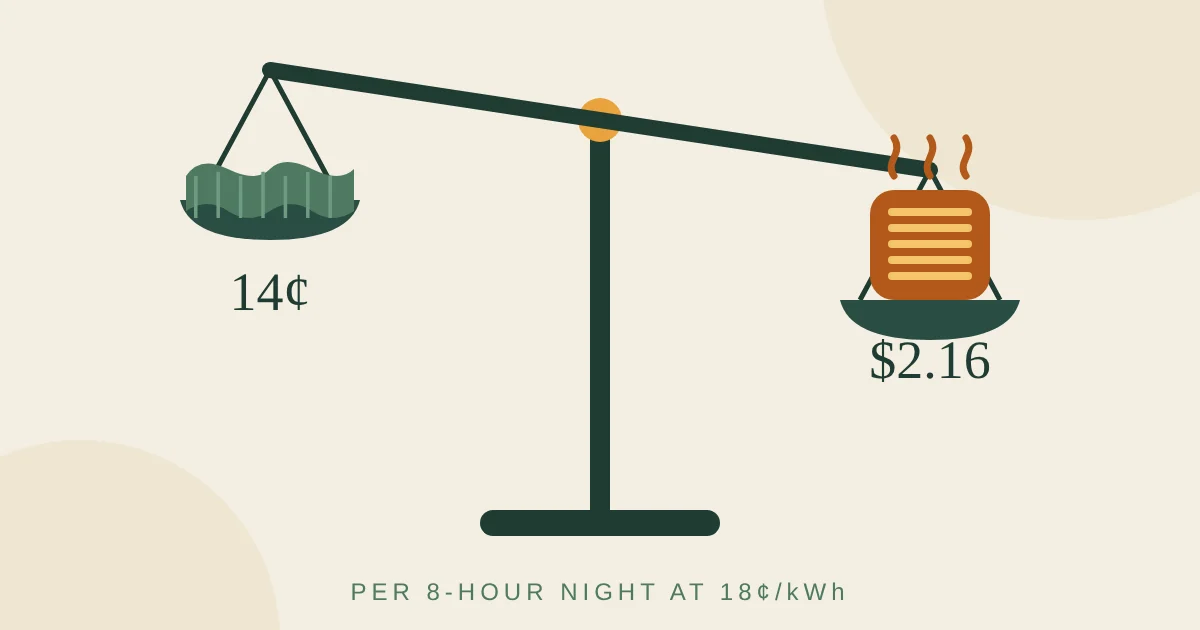
At 18¢ per kWh, close to the 2026 U.S. average residential rate, a 100-watt heated throw costs about 1.8¢ an hour, or about 14¢ for an 8-hour night. A 1,500-watt space heater on high costs about 27¢ an hour, or $2.16 a night. Over a five-month winter of nightly use, that is roughly $22 for the blanket versus $324 for the heater. The blanket wins whenever you are under it; the heater only makes sense when you need the air in the room warm.
Affiliate note: As an Amazon Associate, The Low Bill Home earns from qualifying purchases. Buying through our links costs you nothing extra. We have not tested every product hands-on: picks are based on the makers' published specs, official energy-saving guidance and long-term buyer feedback, and we say where a product falls short.
A long-running throw from one of the best-known names in heated bedding, with 4 heat settings and a 4-hour auto shut-off.
Check price on AmazonWhy we picked it ↓Flannel and sherpa, 5 heat levels, ETL certified, with a 3-hour auto-off and a long 8.5 ft cord.
Check price on AmazonWhy we picked it ↓Warms you from below with dual controls on queen and larger, a 1-hour preheat and 10-hour shut-off.
Check price on AmazonWhy we picked it ↓Shopping on Black Friday? Add it to your Amazon cart now so it is ready when the deals start (Black Friday is November 27, Cyber Monday November 30, 2026).
The numbers side by side
At 18¢ per kWh, at full power, 8 hours a day, 30 days a month. A five-month winter is November through March, the period the U.S. Energy Information Administration uses for its winter heating forecasts.
| Device | Watts | Per hour | Per 8-hour night | Per month | Per winter (5 mo) |
|---|---|---|---|---|---|
| Heated throw or blanket | 100 | 1.8¢ | 14¢ | $4.32 | $21.60 |
| Heated mattress pad, queen, both sides | 150 | 2.7¢ | 22¢ | $6.48 | $32.40 |
| Space heater, low | 750 | 13.5¢ | $1.08 | $32.40 | $162 |
| Space heater, high | 1,500 | 27¢ | $2.16 | $64.80 | $324 |
These are worst-case figures: both kinds of device cycle on and off once they reach their set temperature, so the real numbers are usually lower. But the ratio holds. A space heater has to warm the air in the whole room, and that air keeps leaking out through windows, walls and the gap under the door. A heated blanket only has to warm you, through direct contact, under an insulating layer.
Calculator: your rate, your hours
Pick the two devices you are choosing between, enter your hours and the rate from your electric bill (total dollars divided by kWh used). To compare states, see EIA’s average residential price by state.
Heated blanket vs space heater: cost calculator
Option A
Option B
| Cost | Option A | Option B |
|---|---|---|
| Per hour | – | – |
| Per day | – | – |
| Per month | – | – |
| Per season | – | – |
–
Full-power figures, so they are the most each device can cost. Both cycle on and off once warm, so real costs are usually lower. The rate starts at 18¢, close to EIA’s 2026 U.S. average; use the rate on your bill.
Where the real saving is
The cheapest heat is the heat you do not need. A heated blanket on its own only saves money if it replaces something: a space heater you would otherwise run, or some of the central heating. There are two ways to make that happen.
1. Replace the bedroom space heater
If you run a 1,500-watt heater in the bedroom for 8 hours a night, swapping it for a 150-watt heated mattress pad saves about $1.94 a night at 18¢ per kWh: about $58 a month, or roughly $290 over a five-month winter. It is also safer: the Consumer Product Safety Commission advises not leaving a space heater on while you sleep.
2. Turn the whole-house thermostat down at night
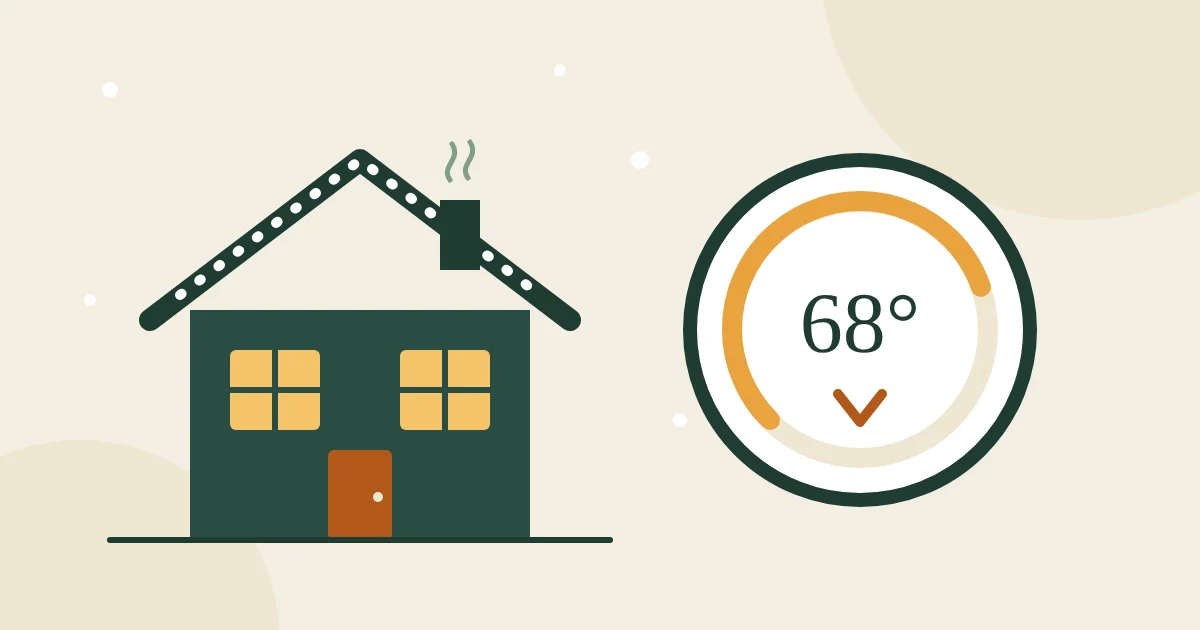
The Department of Energy says turning your thermostat back 7–10°F for 8 hours a day can cut up to 10% a year off your heating bill. Most people find a cooler bedroom easy to live with once the bed itself is warm. Here is what “up to 10%” means against EIA’s forecast of average household heating costs this winter, minus a season of running a heated throw every night:
| Main heating fuel | Average winter heating cost (EIA forecast) | Up to 10% saved | Minus heated throw, 5 months | Net saving, up to |
|---|---|---|---|---|
| Natural gas | $640 | $64 | −$22 | about $42 |
| Electricity | $1,196 | $120 | −$22 | about $98 |
| Propane | $1,246 | $125 | −$22 | about $103 |
| Heating oil | $2,115 | $212 | −$22 | about $190 |
Heating costs: EIA Winter Fuels Outlook, October 2026, average U.S. household by main heating fuel, November–March. EIA notes the fuels are not directly comparable, because the households using each are in different places and homes. “Up to 10%” is DOE’s upper estimate; your saving depends on your climate, home and system. Heat pump owners should use smaller setbacks so the backup strip heat does not switch on.
How many watts does a heated blanket use?
Less than most people think, and less than the label suggests most of the time:
- Heated throws and single-size blankets are typically rated somewhere between about 50 and 150 watts at full power. The rating is printed on the tag sewn into the blanket or on the controller.
- Queen and king blankets and heated mattress pads usually have two heating zones with a controller for each side, so the total for both sides can be 100 to 200 watts.
- Full power only lasts until it is warm. The controller then switches the heating element on and off to hold the temperature, so the average draw over a night is lower than the label.
To see the real number for yours, plug it into an electricity usage monitor for one night and read the kWh in the morning. Our guide to the best electricity usage monitors explains how.
How we chose
- Established brands first. Amazon’s heated-blanket search is full of brand-new listings from unknown sellers. We favored products with a long sales history and a large volume of buyer feedback, and passed over listings with high sales but poor ratings.
- Safety features. Every pick has overheat protection and an automatic shut-off, and we note certifications where the maker lists them.
- Controls that matter for saving. Several heat levels, timers and, for beds, dual controls, so one sleeper is not heating the other side.
- Care. All four are machine washable once the controller is removed.
We have not tested these products in our own home. Picks are based on the makers’ published specifications, safety certifications and patterns in long-term buyer feedback, especially the complaints.
The picks
Sunbeam Royal Ultra Heated Throw
Sunbeam is one of the best-known names in heated bedding, and this Royal Ultra fleece throw has been on sale for years. It is a simple, sensible couch throw: a push-button controller with indicator lights, four heat settings and a four-hour automatic shut-off, so it does not run all night if you doze off. At 50 by 60 inches it covers one adult comfortably.
- Size: 50″ x 60″
- 4 heat settings: warm, low, medium, high
- 4-hour auto shut-off and overheat protection
- Royal Ultra fleece, 100% polyester; machine washable and dryer safe with the controller detached
Good: trusted brand, easy controls, safe shut-off, washable.
Watch out: only four heat settings; the fleece is on the lightweight side; the 4-hour timer means it is not meant for all-night use.
Skip it if: you want heat in bed all night: get a heated mattress pad instead.
VENTIMI Heated Throw Blanket
A thick flannel-and-sherpa throw with five heat levels (the maker quotes up to 115°F), ETL certification and overheat protection. It starts warming within minutes, and the 8.5-foot total cord length is generous enough to reach a recliner or an office chair from the wall. The automatic shut-off is fixed at three hours.
- Size: 50″ x 60″
- 5 heat levels, up to 115°F
- 3-hour auto shut-off, overheat protection, ETL certified
- Flannel and sherpa; machine washable with the controller removed; 8.5 ft cord
Good: warm, heavier fabric, more heat levels, long cord, good for a home office chair.
Watch out: the 3-hour shut-off is fixed; heavier fabric takes longer to dry.
Skip it if: you prefer a lighter blanket or need longer than 3 hours without resetting it.
Beautyrest Cotton Blend Heated Mattress Pad
A heated mattress pad fits over the mattress like a fitted sheet and warms you from below, which is the most efficient way to heat a bed: the warmth stays trapped under the covers. This Beautyrest pad has a cotton-blend top, five heat settings, a one-hour preheat to warm the bed before you get in and an automatic shut-off after ten hours. Queen and larger sizes come with two controllers, so each side can have its own setting, or be off.
Choose your size on the listing. Two practical notes from the maker: the skirt fits mattresses up to 18 inches deep, and the controller must not be covered while it is on.
- Sizes from Twin XL to King
- 5 heat settings; 1-hour preheat; 10-hour auto shut-off
- Dual controllers on queen and larger
- Fits mattresses up to 18″ deep; 12 ft controller cord, 6 ft power cord
Good: warmth from below, dual zones, preheat lets you turn it off before you sleep.
Watch out: never cover the controller while it is on; route the cords so they are not pinched by the bed frame.
Skip it if: you mostly need warmth on the couch or at a desk: a throw is more flexible.
Sunbeam Quilted Heated Mattress Pad
If you like to fine-tune the temperature, this Sunbeam pad has twelve heat settings on a digital controller with a backlit display that is easy to read in the dark, plus a selectable shut-off timer of up to twelve hours. The quilted polyester top is soft, and the built-in skirt stretches over mattresses up to 18 inches high. The listing shows a full size; other sizes are sold too.
- 12 heat settings, digital backlit controller
- Selectable auto shut-off up to 12 hours; overheat protection
- Quilted 100% polyester top
- Fits mattresses up to 18″ high
Good: very fine heat control, readable controller, long selectable timer.
Watch out: polyester top is less breathable than cotton blends; check the size before you order.
Skip it if: you want the simplest possible controls.
When a space heater still makes sense
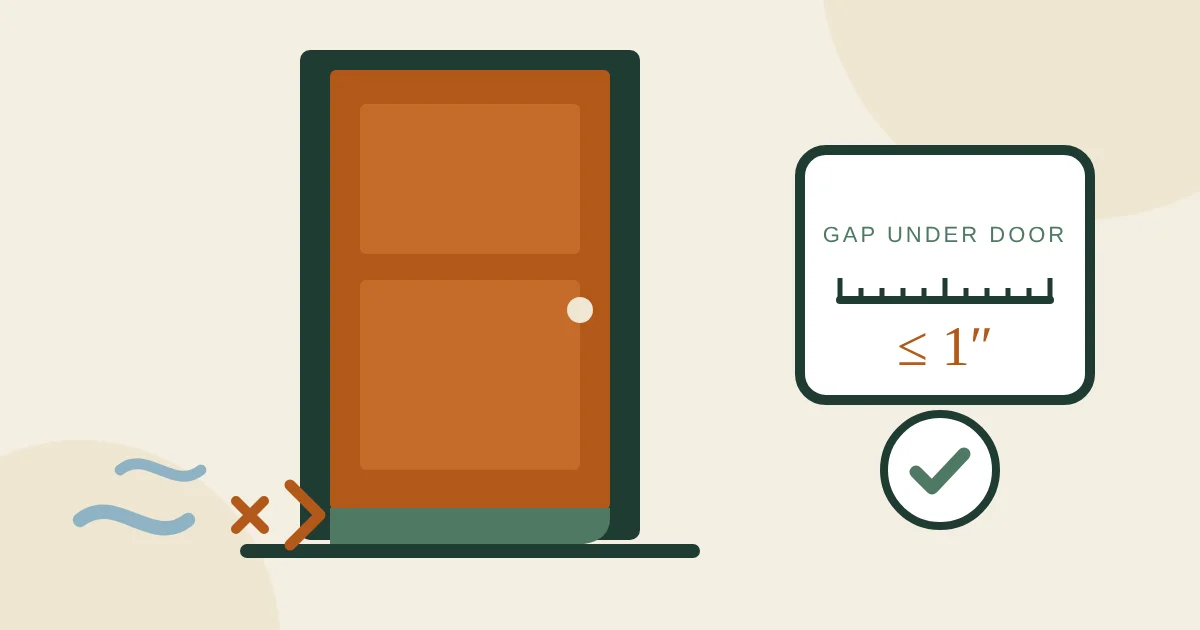
A blanket cannot warm the air, so a space heater still has a job when you are moving around a cold room, working at a desk where a throw is not practical, or heating a small room with the door closed while the central heat is turned well down. In those cases, use the heater’s thermostat or eco mode instead of continuous high, and close the gap under the door first with one of the best door draft stoppers. Our guide to what a space heater costs to run covers when it beats central heat, and our sister site compared the best space heaters.
Safety
Space heaters
The Consumer Product Safety Commission estimates that portable heaters are involved in about 1,700 fires, 70 deaths and 160 injuries a year (CPSC, 2017–2019 average). Its advice: keep heaters at least three feet from drapes, furniture and bedding; plug electric heaters directly into a wall outlet, never an extension cord or power strip; and do not leave a heater running while you sleep.
Heated blankets and mattress pads
The Maine State Fire Marshal’s electric blanket safety guidance covers the essentials:
- Use only blankets approved by a nationally recognized testing agency such as UL.
- Do not fold the blanket while in use or in storage, and do not pile other blankets on top of it or use it together with a heating pad.
- Check for worn areas, loose plugs or damage, and replace very old blankets.
- Turn it off and unplug it when not in use, and keep cords out of walkways and from under rugs.
- People with diabetes, or anyone with reduced feeling in the legs and feet, should warm the bed first and turn the blanket off before getting in.
Also follow your blanket’s own warnings, including who should not use it.
FAQ
Is it cheaper to use an electric blanket than a space heater?
Yes, by a wide margin. A typical heated throw draws about 100 watts at full power and a space heater about 1,500 watts on high. At 18 cents per kWh, that is about 1.8 cents an hour for the blanket and 27 cents an hour for the heater. The blanket only replaces the heater when you are sitting or sleeping under it, though.
How much does it cost to run an electric blanket all night?
At the 2026 U.S. average rate of about 18 cents per kWh, a 100-watt heated blanket costs about 14 cents for an 8-hour night on full power, or about $4.32 a month. A queen heated mattress pad with both sides on full, about 150 watts, costs about 22 cents a night. Thermostatic controls cycle the heat once the bed is warm, so real costs are usually lower.
Is it safe to sleep with an electric blanket on all night?
Follow the maker's instructions. Many heated blankets and mattress pads have auto shut-off timers. Fire safety officials advise using only certified blankets, never folding them or piling other blankets on top while on, keeping cords out from under rugs, and turning the blanket off and unplugging it when not in use. People with diabetes or reduced feeling in their legs should warm the bed first and turn the blanket off before getting in.
Is a heated mattress pad better than an electric blanket?
For sleeping, many people prefer a heated mattress pad: it warms you from below, the heat stays trapped under the covers, and queen and larger sizes usually have separate controls for each side. A heated throw is better for the couch or a desk chair, where you want to wrap up.
Can I turn my thermostat down if I use a heated blanket?
Yes, and that is where the real saving is. The Department of Energy says turning the thermostat back 7 to 10 degrees Fahrenheit for 8 hours a day can save up to 10% a year on heating. A heated blanket or mattress pad makes a cooler bedroom comfortable, so the setback is easier to live with.
Should I use a space heater in my bedroom at night?
The Consumer Product Safety Commission advises against leaving a space heater on while you sleep. For warmth at night, a heated mattress pad or blanket uses far less electricity and avoids that risk.
Keep going
- 20 ways to lower your heating bill this winter
- How much does it cost to run a space heater?
- Best door draft stoppers for winter
- Our sister site’s review of the best heated blankets
Sources
- U.S. EIA: Winter Fuels Outlook 2026–27 (October 2026)
- U.S. EIA: Short-Term Energy Outlook, electricity
- U.S. Department of Energy: Six simple steps to save energy and money this winter
- U.S. CPSC: Caution when using space heaters, furnaces and fireplaces
- U.S. CPSC: Winter safety tips
- Maine State Fire Marshal: Electric blanket safety
Affiliate Disclosure: The Low Bill Home is a participant in the Amazon Services LLC Associates Program. As an Amazon Associate we earn from qualifying purchases, at no extra cost to you. Product details and availability change, so check the listing before you buy.